


The gut microbiome, which consists of thousands of microorganisms, including bacteria, fungi, and viruses that live in our gastrointestinal tract, has been with us since the beginning of evolution. When the first multi-cellular organisms evolved, they formed a symbiotic (mutually beneficial) relationship with single-celled organisms such as bacteria. As we, and other animals on Earth, have co-evolved, so too has the microbiome evolved alongside our health, and diseases.
In our research projects, my lab and I are studying the interaction, or “crosstalk”, between the gut microbiome and colorectal cancer (CRC). CRC is the second leading cause of cancer-related deaths worldwide (WHO, 2023) and has been shown to be influenced by multiple factors, such as genetics, age, lifestyle, and, more recently, the gut microbiome.
Each person’s microbiome is unique, much like a fingerprint. It is largely shaped early in life, starting from infancy, although lifestyle factors can alter its composition over time. Researchers worldwide have observed that diseases, including CRC, are often linked to an imbalance in the gut microbiome, known as a dysbiosis. A dysbiosis refers to an altered microbiome composition, and in the case of CRC, it often involves the presence of certain CRC-associated bacteria that are potentially harmful.
Like many labs around the world, we are working to better understand how these harmful, CRC-associated bacteria interact with tumors. The goal is that by understanding this relationship, we may eventually be able to develop ways to intervene. After all, you first need to know what the problem is before you can solve it.
This exact challenge is what first drew me to the world of research. As a young master’s student, new to the lab, I was inspired by the enthusiasm and inquisitive nature of my colleagues to learn more about the role of the microbiome. Curious about the unknown and eager to learn new techniques, I started my PhD. What drew me to this type of job is that every day is different, some days are hands-on, some days are spent reading, thinking and planning, and most importantly, every day you learn something new. Yet, I quickly found out that the saying holds true: “The more you know, the more you realize you don’t know” (Aristotle). Nonetheless, every bit of knowledge gained adds up, helping us better understand what’s happening in CRC.
In my PhD project, we are investigating how a specific CRC-associated bacterium contributes to the initiation and progression of CRC tumors. We use various approaches, including analyses of available human datasets, biopsies generously donated by patients, in vitro and in vivo experiments, and cutting-edge stem cell-based cultures called organoids. By using the combination of these models, we aim to replicate the complex physiological interactions in the lab. Yet research requires a careful balance ‒ simplifying models enough to understand them without straying too far from reality. Striking this balance is a key challenge for researchers when planning the appropriate experiments.
The gut microbiome is still full of mysteries, influencing health and disease in many ways. As researchers, we aim to unravel this complex puzzle, and I am confident that one day the microbiome will be a key factor to take into consideration when treating patients in the clinics.
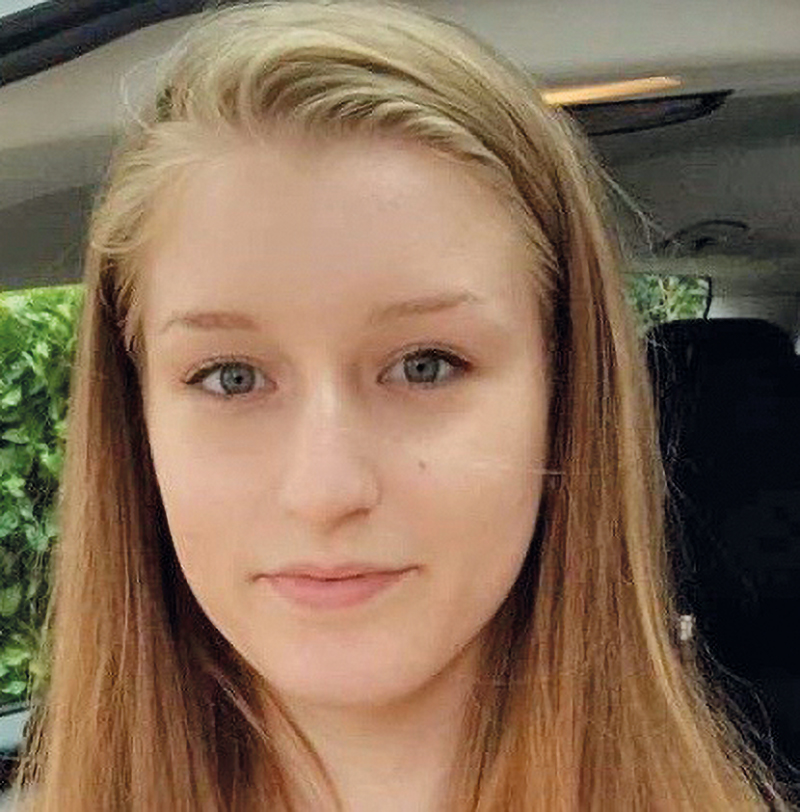
Marianne Meyers holds a Bachelor of Science in Nutrition and Food Science from the University of Reading and a Master of Science in Integrated Systems Biology from the University of Luxembourg. She is currently a PhD candidate at the University of Luxembourg, researching the impact of environmental factors and the microbiome on primary and metastatic colorectal cancer in the Molecular Disease Mechanisms group (Department of Life Science and Medicine).